
The Theme of Class and Equality
The Secret GardenExplores how the story challenges class distinctions through the friendships between Mary, Colin, and the Sowerby family.
increasing Bearing strength in each event
 decreasing
Bearing strength in each eventdecreasingMary's Superior Attitude
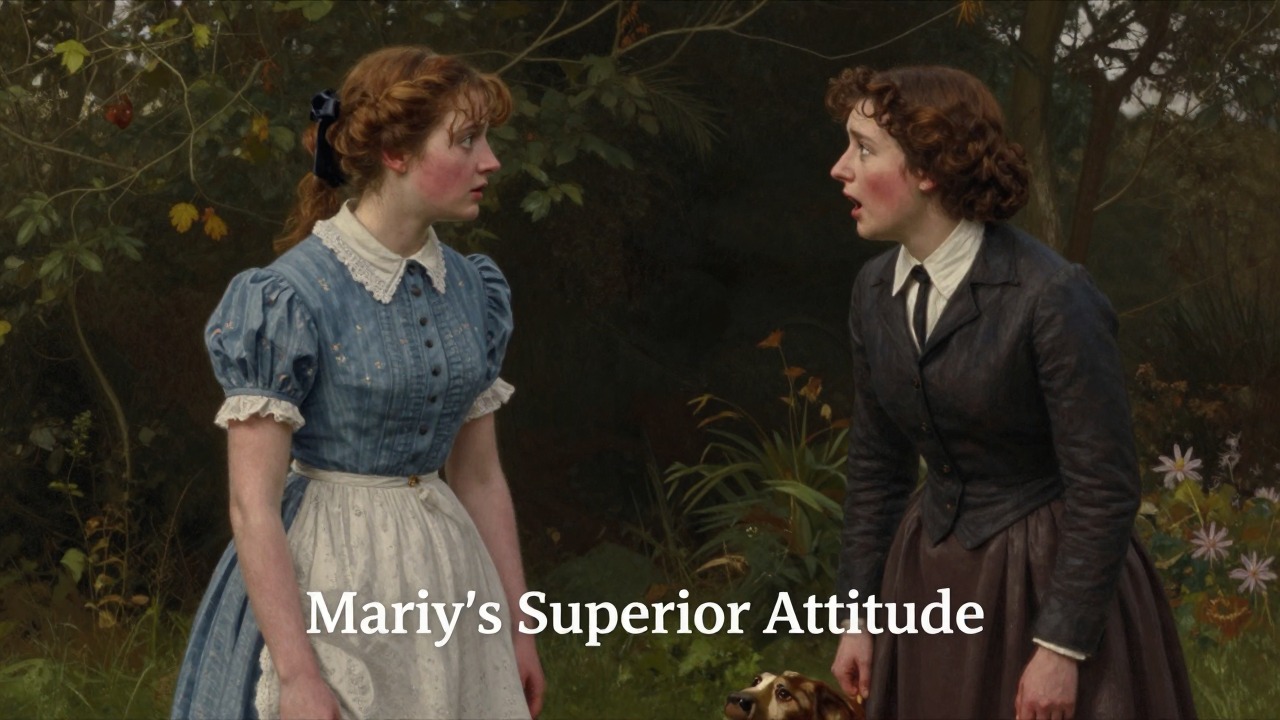
Mary's Superior Attitude
Indian Upbringing
Mary was raised to treat servants as inferiors. She expects to be waited on and obeyed. She looks down on Martha and Dickon.
Clash with Martha
Martha refuses to be subservient. She speaks bluntly and expects Mary to do things for herself. Mary is shocked but gradually adapts.
The Beginning of Change
Mary's prejudice is challenged by Martha's dignity. She begins to see servants as people. Class barriers start to crumble.
Colin's Rajah Complex
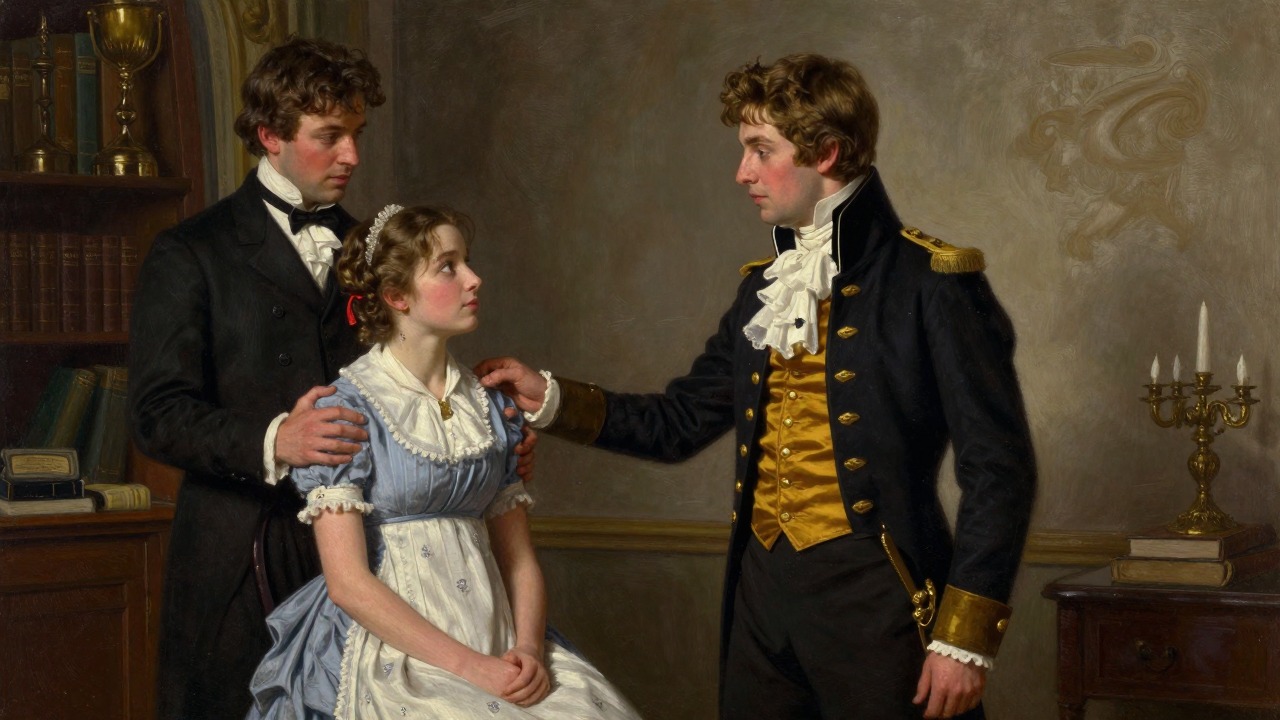
Colin's Rajah Complex
Absolute Authority
Colin treats everyone as inferiors. He orders servants around and expects instant obedience. His illness has made him a tyrant.
The Rajah Comparison
Mary compares Colin to a young Indian Rajah. He is used to power but not to respect. His authority is based on fear.
Learning Equality
Through Mary and Dickon, Colin learns to treat others as equals. He begins to say "please" and "thank you." His transformation includes social humility.
Dickon's Natural Nobility
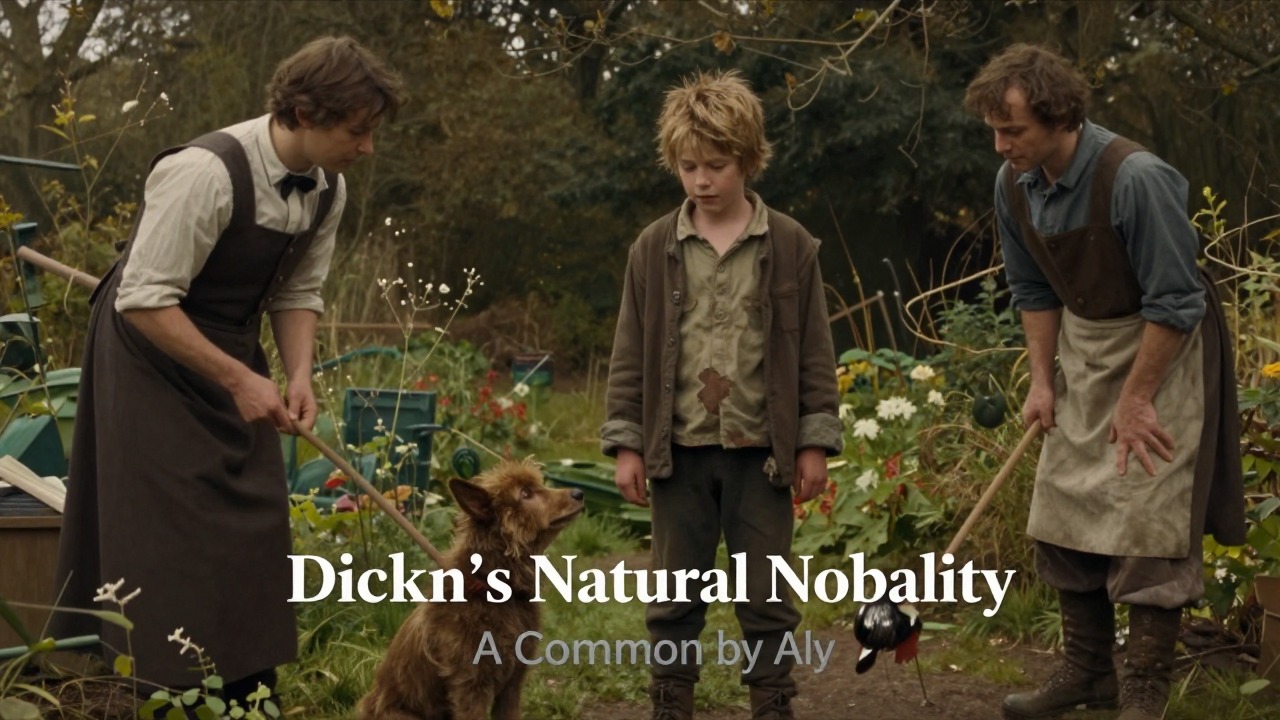
Dickon's Natural Nobility
A Common Boy
Dickon is a poor moor boy with patched clothes. But he possesses wisdom and kindness that transcend class. He is a natural aristocrat of the spirit.
Respected by All
Everyone respects Dickon—servants, gardeners, even Dr. Craven. His worth is not based on birth but on character. He challenges class assumptions.
The True Gentleman
Dickon is the moral center of the story. He teaches Mary and Colin that true nobility comes from within. Class is irrelevant in the garden.
Susan Sowerby's Wisdom
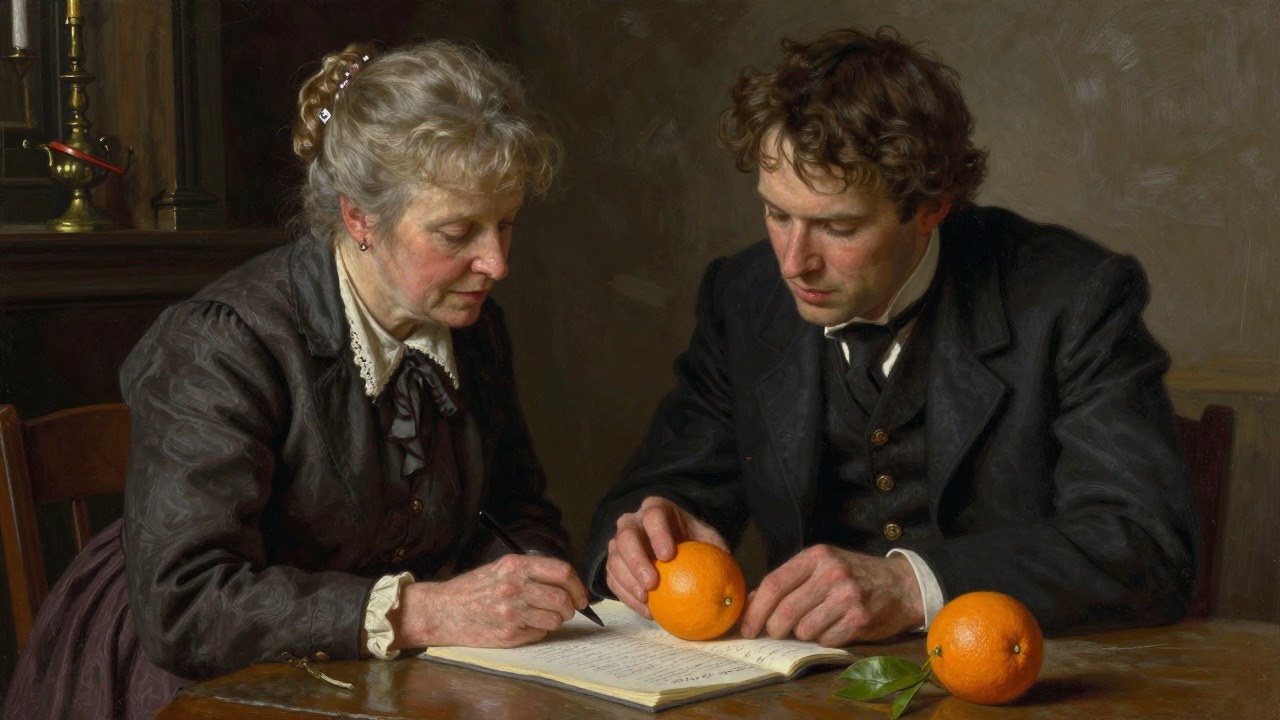
Susan Sowerby's Wisdom
A Common Woman
Susan Sowerby is a poor cottager's wife. Yet she has the wisdom to advise Mr. Craven. She writes to him as an equal.
The "Whole Orange" Lesson
Susan teaches that no one owns the whole orange. This is a lesson in humility and sharing. Class privilege is an illusion.
A Mother to All
Susan mothers Mary and Colin regardless of their social status. Her love is unconditional. She embodies the equality of the human heart.
The Garden as an Equalizer
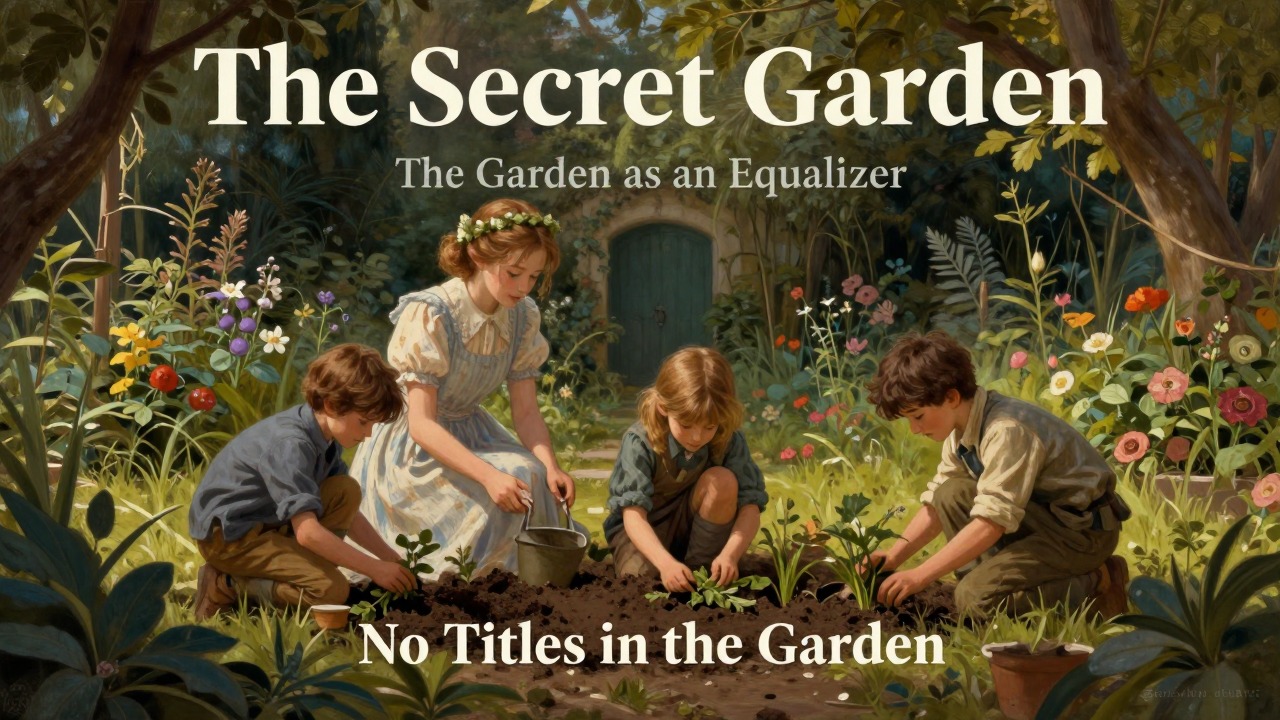
The Garden as an Equalizer
No Titles in the Garden
In the secret garden, Mary is not a mistress, Colin is not a master, and Dickon is not a servant. They are simply children working together.
Shared Labor
They all dig, weed, and plant. There is no hierarchy. The garden demands cooperation, not command.
A Model Society
The garden is a utopia where class does not matter. The children learn to value each other for who they are. This is the story's ideal.
early in the story
before meeting Mary
throughout the story
throughout, especially her letter
throughout the garden scenes
